
Why Your Excavator is Sluggish: A Deep Dive into Final Drive Component Failure

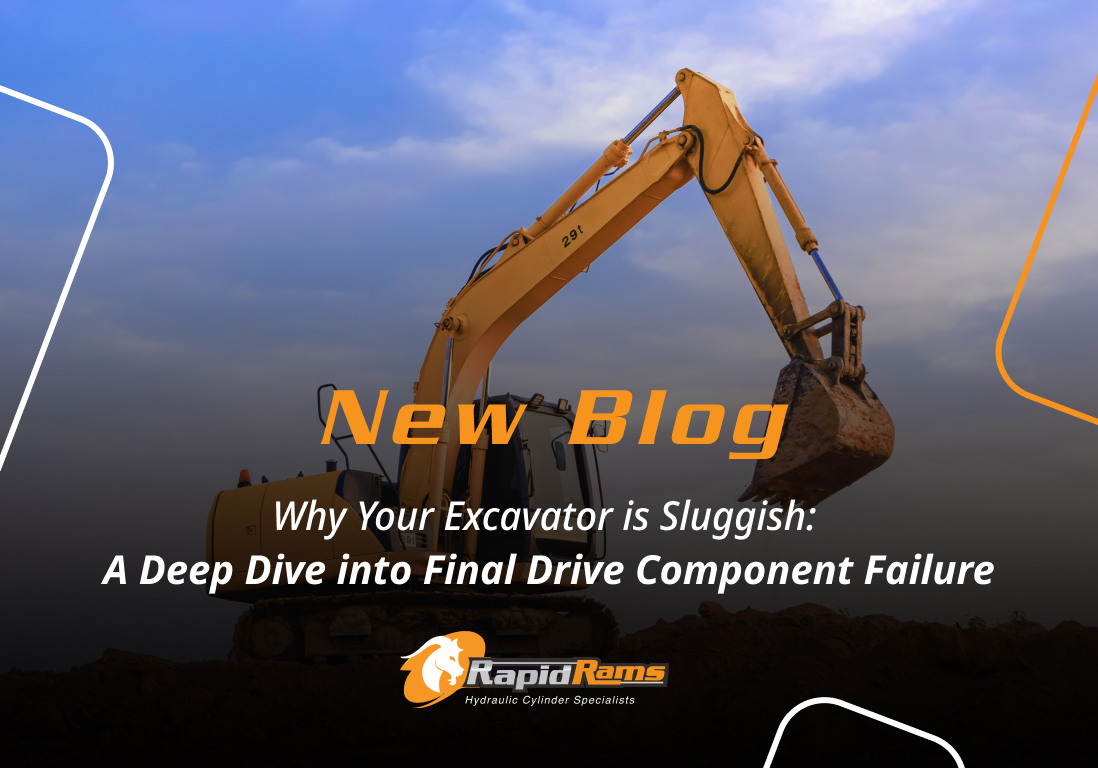
When your excavator slows to a crawl, struggles to track straight, or starts sounding like a coffee grinder, the problem almost always traces back to the Final Drive Assembly. This component is a masterpiece of mechanics, but under the extreme pressure and load of Australian conditions, its critical parts are prone to failure.
Here is a technical breakdown of the three most common failure points within your final drive.
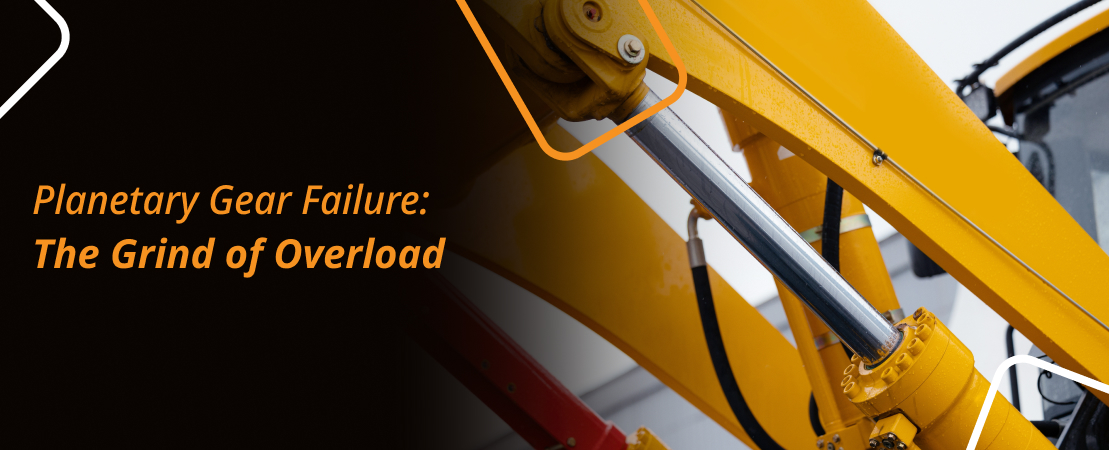
The planetary gear set is the engine room of your final drive gearbox. It multiplies the speed of the hydraulic drive motor into the high torque needed to turn the tracks.
- The Problem: Planetary gears fail due to two main reasons: excessive load (pushing the machine beyond its limits) or severe contamination. Gear teeth become worn, chipped, or fracture entirely. Contaminated oil breaks down the protective film, leading to metal-to-metal contact, scoring, and generating the metallic sludge that kills the entire system.
- The Symptom: You will hear a loud grinding or rattling noise when the excavator is tracking. The motor might turn, but the tracks won’t move with full power, resulting in sluggish, erratic movement.
- The Rapid Rams Solution: If your gears are damaged, the entire final drive assembly is compromised. Replacing it with a high-quality unit ensures all planetary gears, sun gears, and carriers are correctly hardened, seated, and ready for high-torque applications.
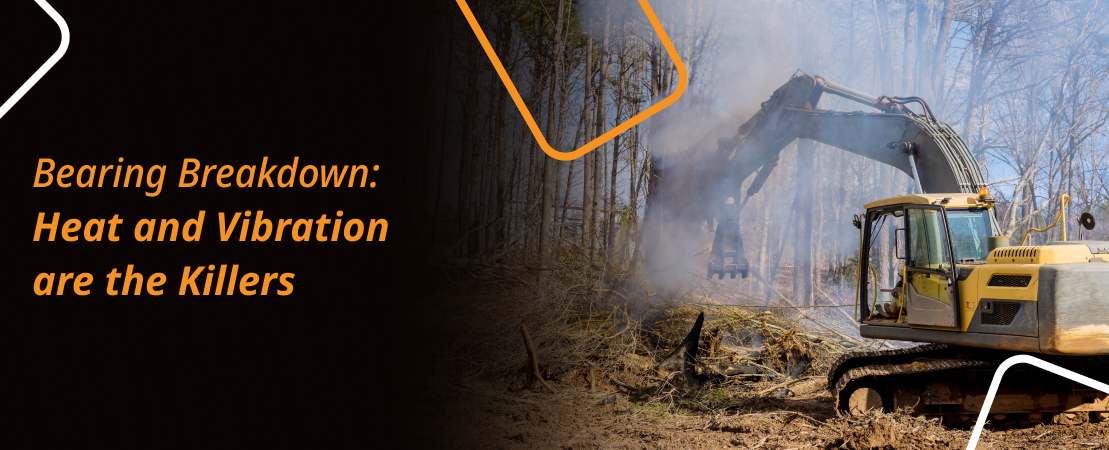
The main bearings within both the gearbox and the hydraulic motor are crucial for smooth operation and maintaining component alignment.
- The Problem: Bearings typically fail from high heat caused by insufficient or broken-down lubrication, or from the introduction of contamination (metal fragments from failed gears or seals). When a bearing fails, the rotor or gear shafts shift out of alignment. This misalignment creates excessive friction, rapid heat build-up, and causes components to literally chew each other up.
- The Symptom: This manifests as excessive heat radiating from the final drive housing and a noticeable wobble or vibration during travel. This vibration often quickly leads to seal failure (see below).
- The Rapid Rams Solution: We only supply new Final Drive Components with robust, factory-spec bearings. This eliminates the risk that the bearings have been compromised by a previous contamination event, guaranteeing smooth, low-friction operation.
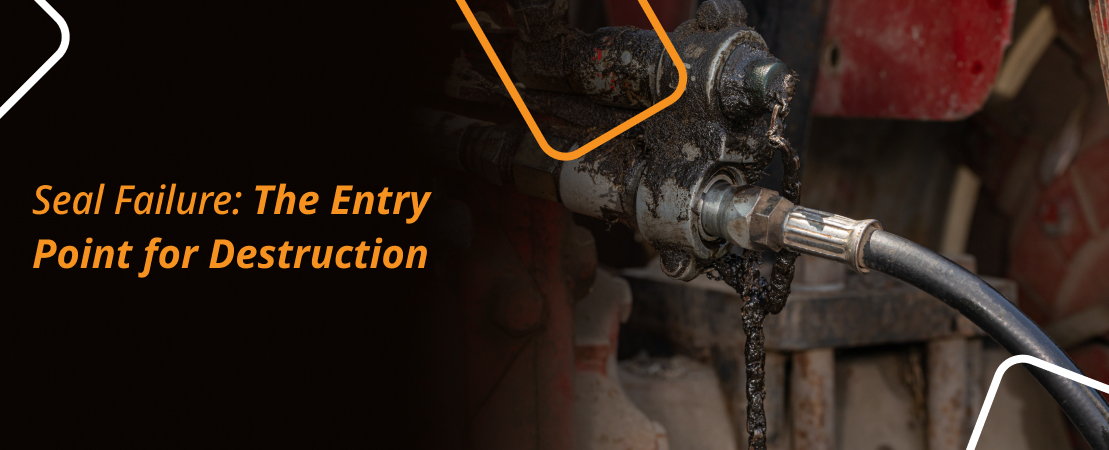
The seals (both static O-rings and dynamic shaft seals) are the most delicate part of the assembly, yet they have the most critical job: keeping high-pressure oil in and contaminants out.
- The Problem: Seals fail due to age, material degradation (from high heat/poor oil), or—most commonly—damage caused by a scored rod or misaligned shaft (due to bearing failure). Once the seals on the hydraulic drive motor or gearbox fail, gear oil mixes with hydraulic oil, or external grit enters the housing. This contaminated fluid then circulates, leading to the rapid failure of the gears and bearings described above.
- The Symptom: Visible oil weeping around the motor casing or gearbox, or the oil level in your final drive needing constant topping up.
- The Rapid Rams Solution: Replacing a single seal is a short-term gamble. Because final drive failure is a domino effect initiated by seals, replacing the entire, sealed Excavator Final Drive is the only way to reset the component life cycle and guarantee integrity.
When your excavator is sluggish, it’s not just one worn seal or a chipped tooth; it’s a systematic breakdown. Trying to repair individual final drive components means you often miss the hidden, deeper damage.
At Rapid Rams, we ensure you get a verified, high-quality new part immediately, like a replacement for a Kubota Final Drive or a robust Cat Final Drive. We cut the guesswork and the downtime, positioning your investment as the fastest way back to maximum productivity.
Ready to ditch the sluggish performance? Contact Rapid Rams today for your high-quality, reliable new final drive!