
From Worn-Out to Workshop Ready: The Tell-Tale Signs You Need a New Hydraulic Cylinder

Your excavator is your cash flow, and when a hydraulic cylinder starts playing up, it’s not just an annoyance—it’s a direct threat to your bottom line. We get it. For years, the default was repair, but often, patching up an old, tired cylinder is just throwing good money after bad.
Don’t wait for catastrophic failure. Here are the tell-tale signs that your excavator ram has crossed the line and needs a full, clean replacement, not a quick-fix repair.
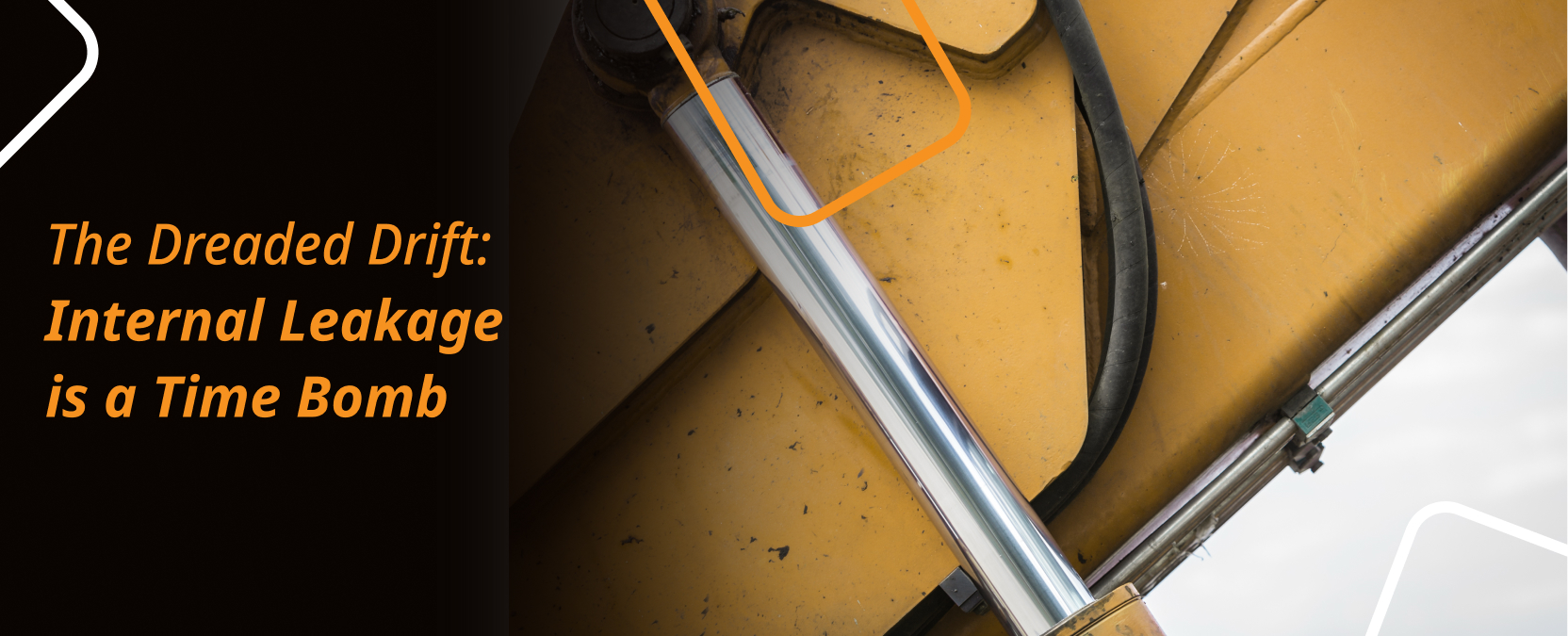
This is the most common symptom of a failing ram. You lift the boom, hold the stick, or curl the bucket, and slowly, gently, the attachment starts to drop or ‘drift’ on its own.
The Problem: The internal piston seals have failed. Hydraulic fluid is bypassing the piston head, meaning the ram can no longer hold pressure.
Why Replace? To fix drift, you have to tear the cylinder down, which is costly. If the drift is severe, the constant friction may have scored the internal bore of the cylinder itself. If the bore is damaged, even brand-new seals won’t fix it. A complete new excavator hydraulic cylinder eliminates the risk of hidden damage and guarantees a perfect seal from day one.
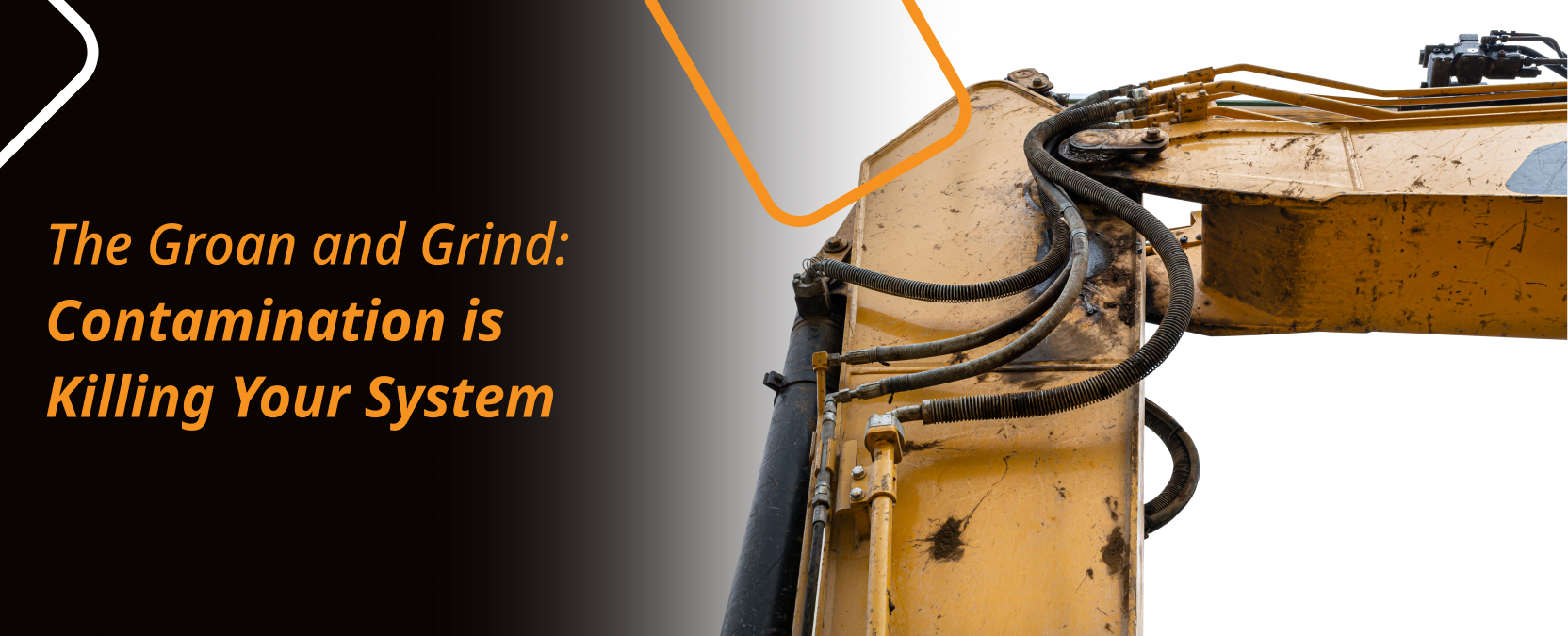
Does your ram make a worrying noise under load, or feel ‘notchy’ when extending or retracting? That groaning sound is often metallic components rubbing where they shouldn’t be.
The Problem: The oil inside the system is contaminated. This happens when the wiper seal fails, letting external grit and dust into the hydraulic system. This abrasive sludge acts like liquid sandpaper, attacking the piston rod, internal bearings, and seals.
Why Replace? Contamination damage is rarely limited to one spot. Replacing a scored rod or just one set of seals often leaves abrasive material inside the ram bore or hidden in the piston components. A new ram is a clean slate, protecting your overall hydraulic system and eliminating the source of that destructive grit.
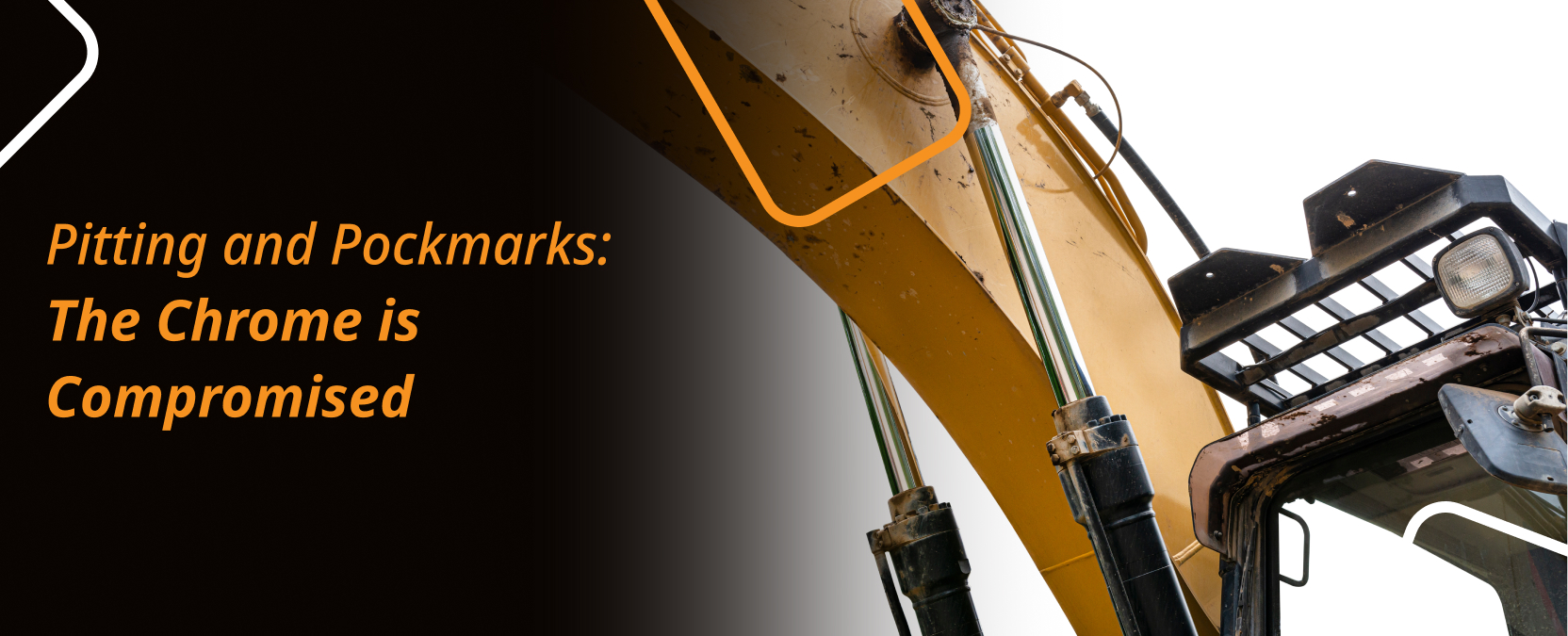
The visible chrome rod is the workhorse of your ram, but it’s also the most vulnerable. Any scratch, chip, or area of pitting (small corrosion craters) spells disaster.
The Problem: A damaged rod surface tears up the external rod seals every time it cycles, leading to external leakage. More critically, it also allows moisture and air to be drawn into the system.
Why Replace? Re-chroming is expensive, slow, and often not as robust as a factory-new rod. Once the chrome is compromised, the seal damage is continuous. Investing in a new excavator ram is an investment in a flawless, hard-wearing surface that will keep contaminants out and pressure in for years to come.
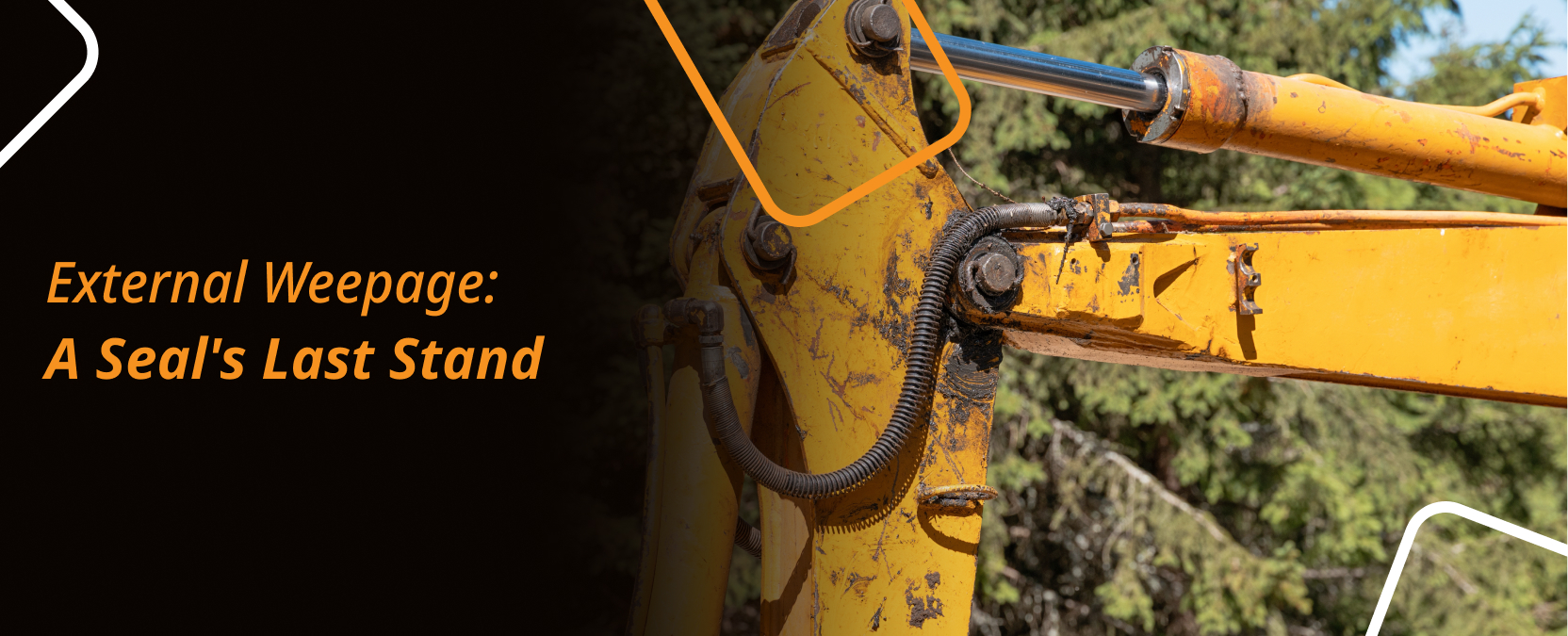
If you have visible, dripping oil around the ram gland—the collar where the rod enters the cylinder—your ram is actively leaking fluid.
The Problem: The rod seal has given up the ghost. While this seems like a simple fix, that external seal often acts as a secondary barrier. If it fails, it suggests high pressure is getting past the primary seals and bushings inside the gland, indicating a deeper problem.
Why Replace? A minor external leak might be fixable, but a persistent leak in an old unit usually means internal components—like bushings or packing—are worn out and creating excessive side-loading, accelerating the destruction of the seals. A new excavator cylinder comes with a full, integrated seal kit and proper component alignment.
When faced with a worn-out hydraulic final drive or a failing excavator cylinder, you have a choice: a cheap, temporary repair or a reliable, long-term solution.
We specialise in high-quality new parts because we know that the initial cost of a replacement is always outweighed by the long-term cost of lost productivity and repeat repairs.
Don’t patch it up; replace it. Rapid Rams has the new excavator parts and reliable excavator hydraulic cylinders for sale you need to get back to earning fast.
Ready to stop the downtime drama? Contact Rapid Rams today and ask about our new excavator cylinders!